Reducing commodity-driven primary forest loss

Strengthening partnerships for reducing commodity-linked primary forest loss
Agricultural expansion, logging, and infrastructure development in areas surrounding primary forests threaten the health of these vital ecosystems. These activities increase the risk of encroaching on critical buffer zones, driving forest loss and degradation at forest edges. Addressing these pressures requires cross-sectoral approaches that transform how land is planned, how commodities are produced, traded and consumed, and how investments flow. This means aligning land-use priorities across sectors and scales, improving the sustainability and efficiency of commodity production, and balancing economic development with primary forest conservation.
Our approach
The SEAP Forests IP works to reduce the footprint of commodity production and value chains on primary forests through four interconnected strategies:
- Strengthening land governance: promoting cross-sectoral land-use planning and robust tenure regimes that advance sustainable economic development, secure livelihoods and advance forest conservation objectives
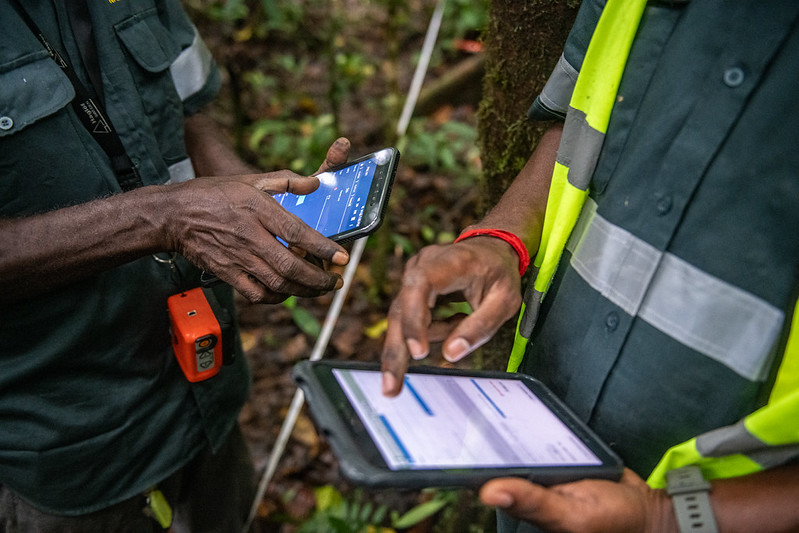
- Supporting traceability mechanisms: building transparent commodity supply chains that support verification of forest-friendly sourcing
- Promoting sustainable agricultural production systems: supporting biodiversity-friendly farming practices that support livelihoods and protect the resource base
- Building transformative partnerships: fostering multi-stakeholder collaboration at national and sub-national levels and enabling cross-border exchanges
At the regional level, the program facilitates knowledge exchange and peer learning across countries, enabling them to share approaches, coordinate efforts, and develop common standards for tracing commodities to their source, reducing the risk of primary forest loss embedded in regional and global supply chains.
Key objective
To reduce primary forest loss linked to commodity expansion through partnerships that advance better land governance, traceable and sustainable value chains, and production systems designed to improve livelihoods and conserve primary forests.