Knowledge systems and social inclusion
Building the regional knowledge base and inclusive conservation capacity
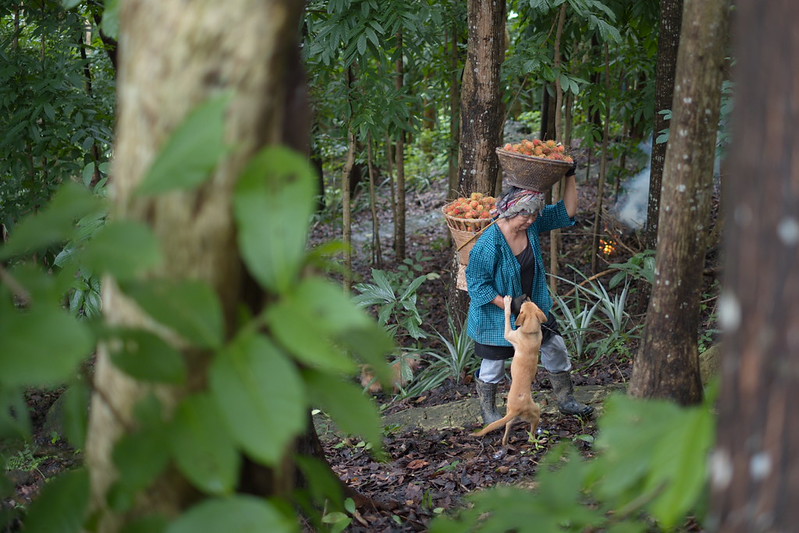
Effective conservation of primary forests cannot be separated from the knowledge, governance systems, and voices of Indigenous Peoples and local communities. It requires integrating scientific evidence with Indigenous and local knowledge, and ensuring the meaningful participation of those who manage and depend on these forests. Strengthening the regional evidence base, deepening cross-country learning, and ensuring social inclusion are therefore central to conservation action across Southeast Asia and the Pacific.
Our approach
The program strengthens the regional knowledge base through biome-wide diagnostic assessments drawing on ecological, social, and economic evidence on primary forests, and by improving monitoring and reporting on the extent and distribution of primary forests to support national and regional decision-making.
It also builds platforms for exchange and learning across countries, communities, youth, and institutions, with particular attention to the meaningful participation of marginalized groups. Capacity development is demand-driven and country-led, with gender equality and social inclusion mainstreamed throughout.
Key objective
To strengthen the evidence base and regional learning systems that inform policy and investment, promote the meaningful participation of Indigenous Peoples, local communities, youth, and women, and support more coherent and effective conservation action across the region.